Sreya Juras
About Me
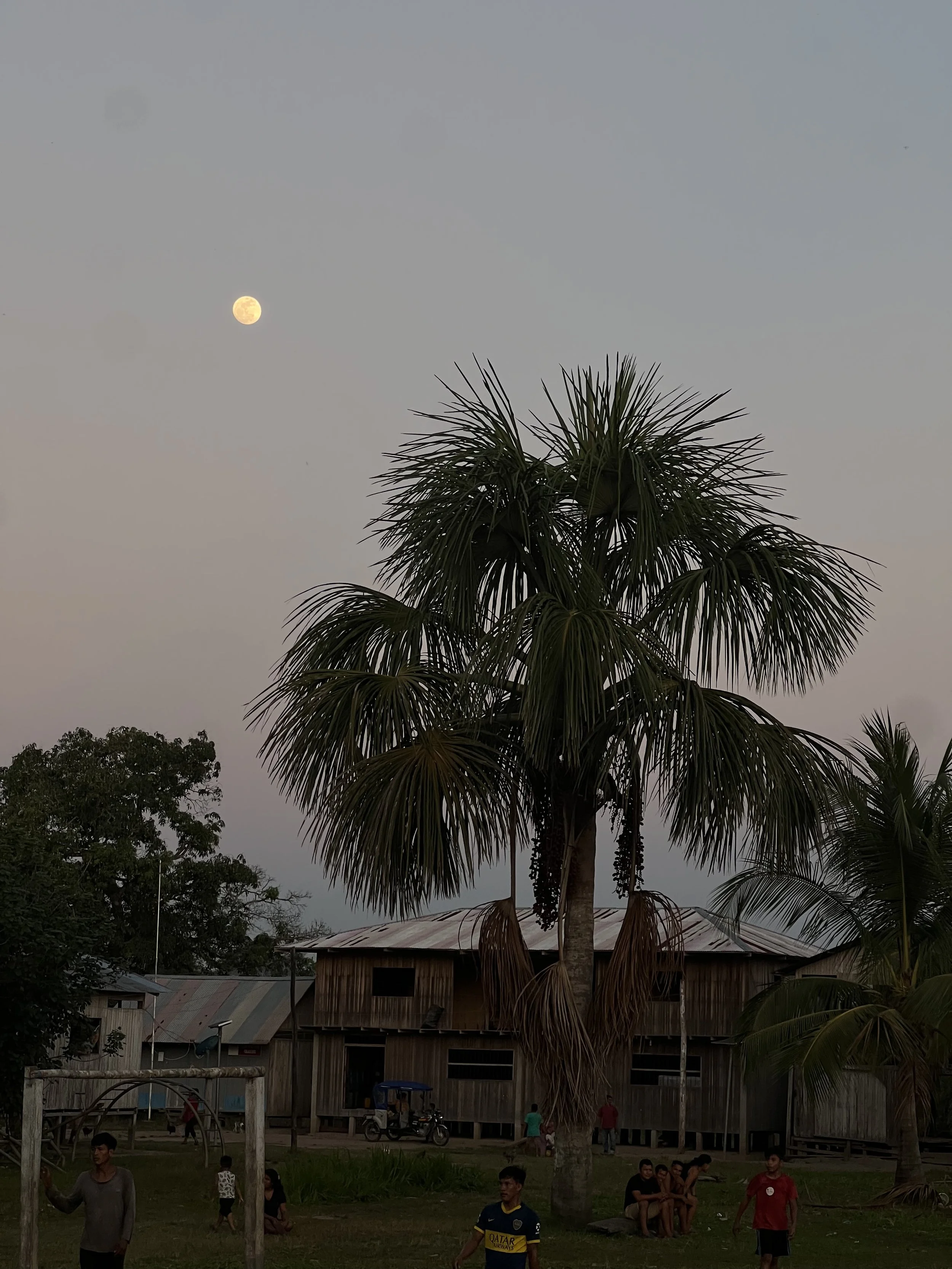
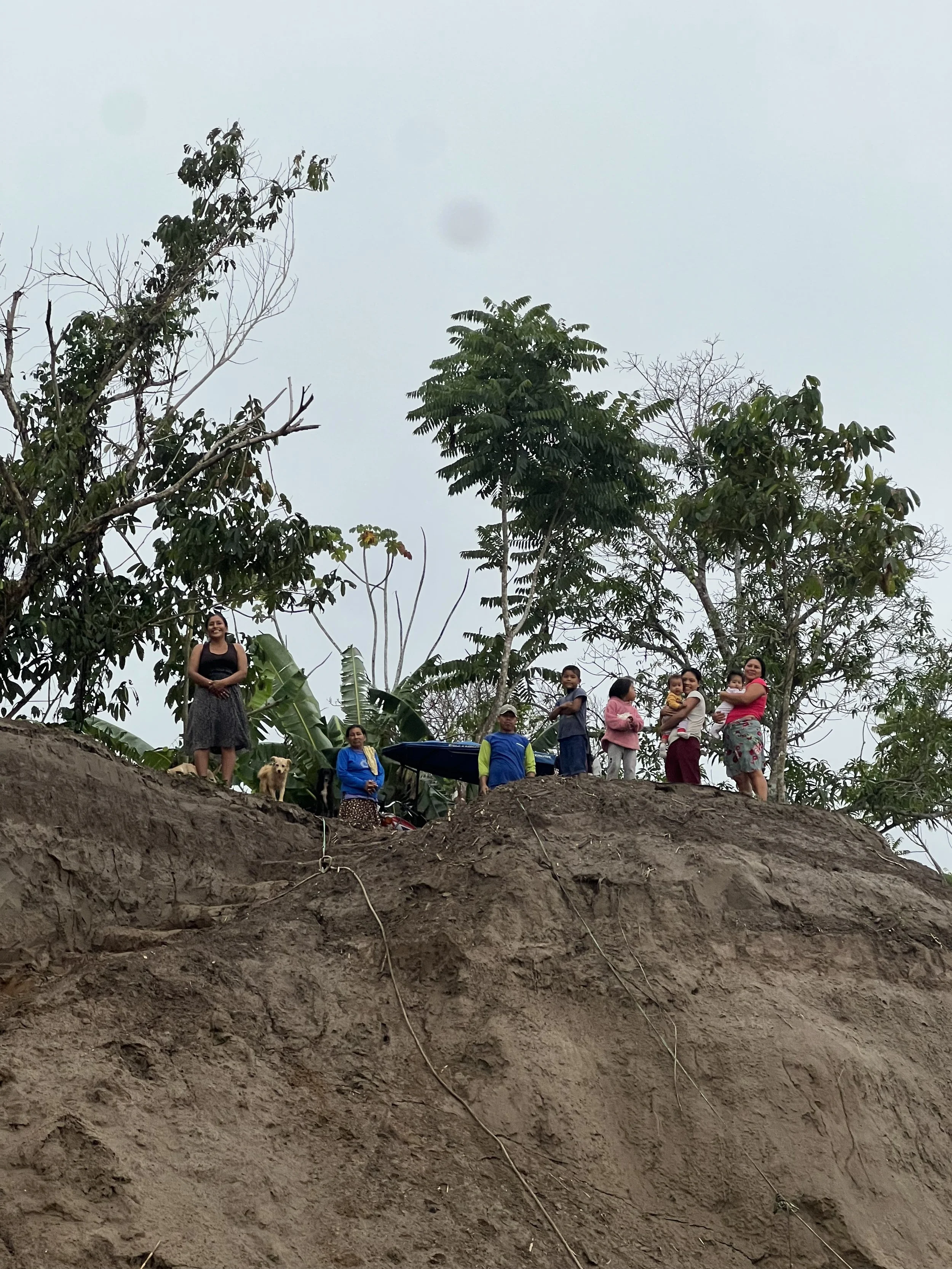
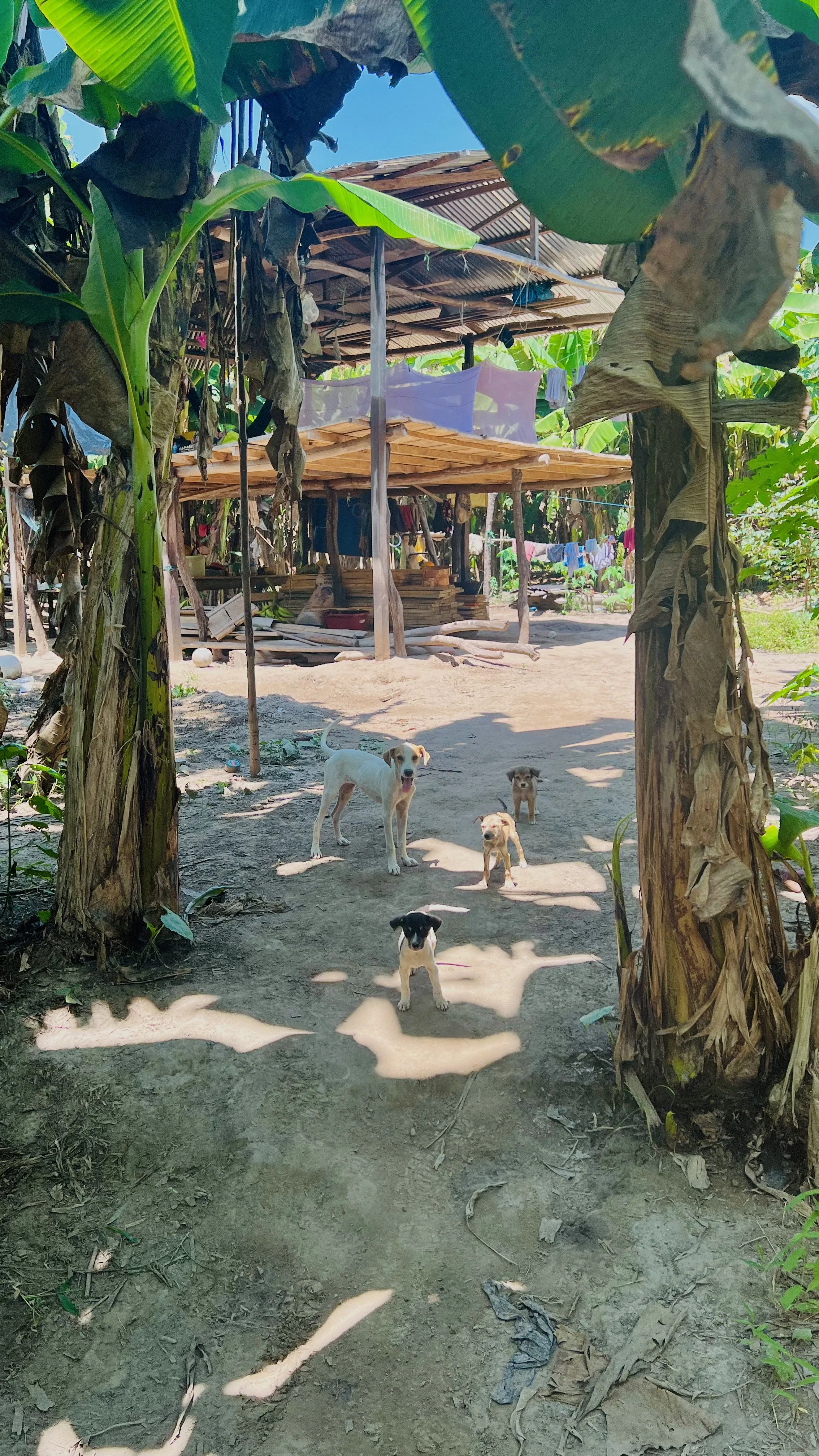
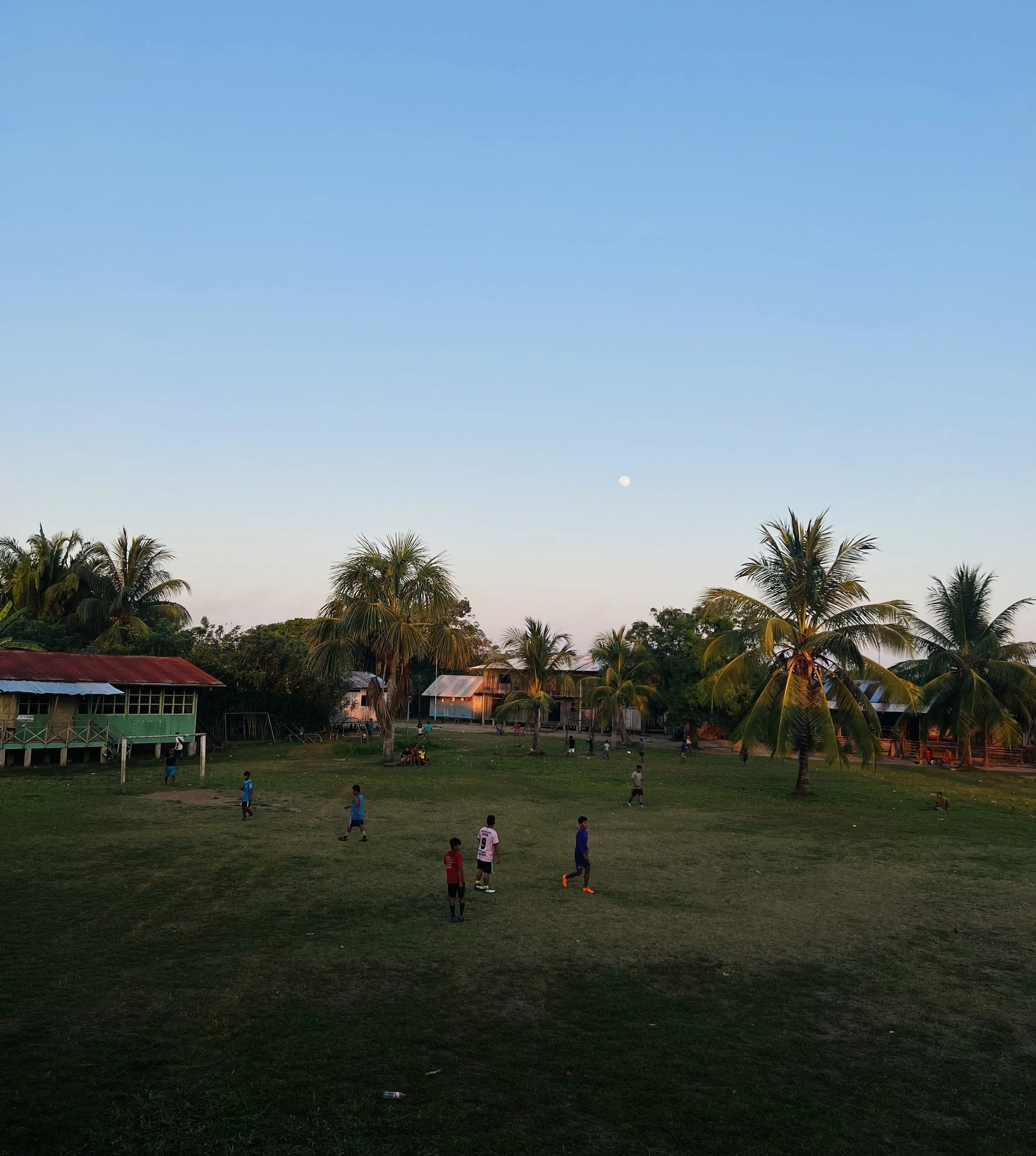
In 2018, I lived and worked in the Peruvian Amazon, an experience that dismantled my assumptions about human–environment relationships and redirected my academic path. Since then, I’ve focused on understanding how people navigate uncertainty, reshape their lives under constraint, and sustain dignity and identity on this ever-changing earth.
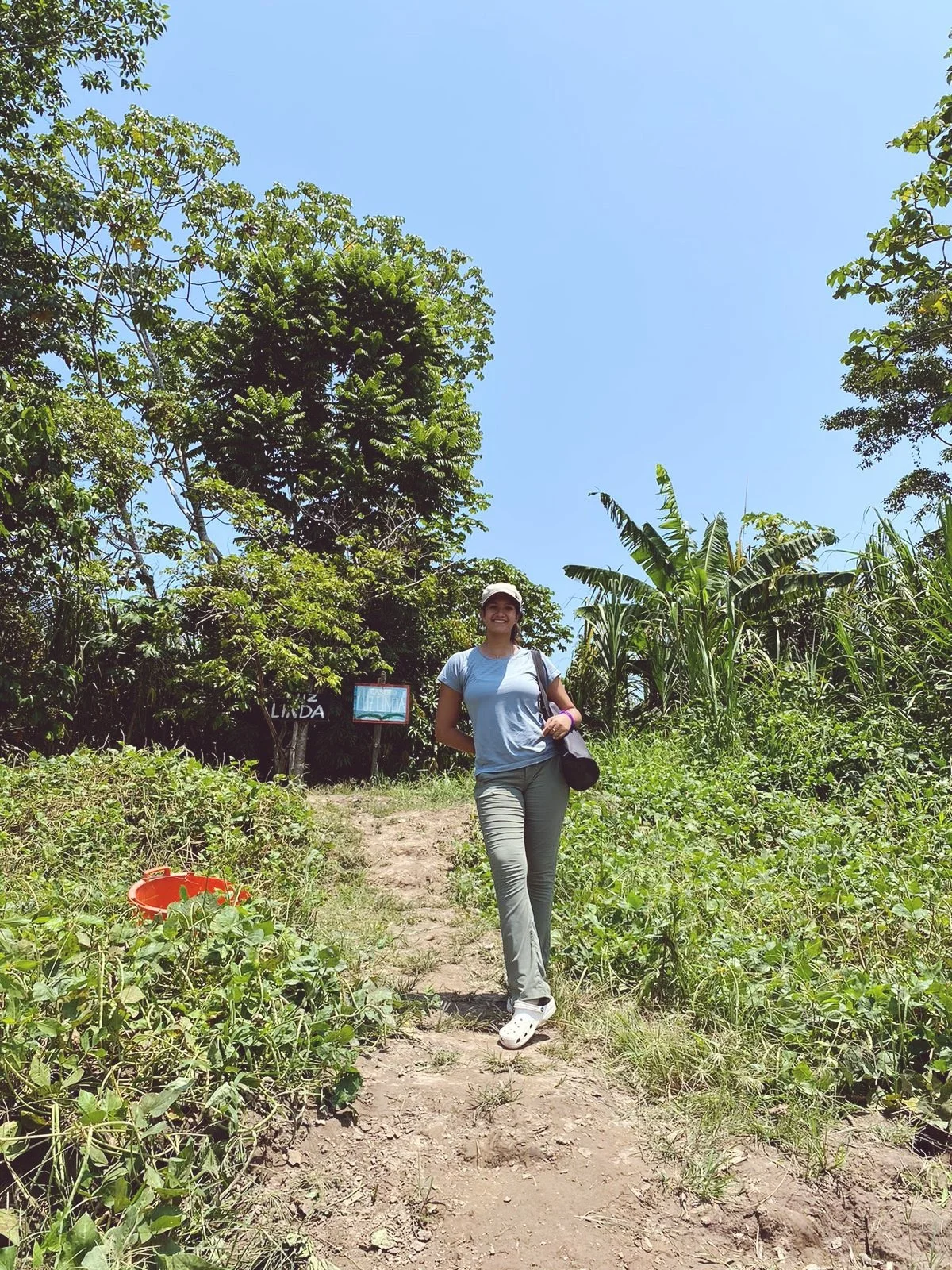
At Ohio State, I co-authored a published study integrating laboratory analysis with GIS simulation. At McGill, I returned to the Amazon, designed, and conducted independent fieldwork on climate-related displacement in rural communities on the Ucayali River. Synthesizing over 80 hours of interviews into structured behavioral insight.
Across lab work, field research, and writing, I remain guided by a care for the human condition. I am drawn to the ways communities share knowledge, art, and ideas to make meaning in unstable worlds. For me, research is not only analytical but a means of understanding the subjective realities of others. It is about listening carefully, translating complexity with clarity, and honoring the spirit that binds people together.
My research integrates immersive qualitative investigation with experimental and systems-level validation. I focus on how people make decisions under uncertainty and on stress-testing assumptions against the realities of lived experience.
Case Studies

The Problem
Advanced monitoring systems generate complex technical outputs.
But adoption depends on more than accuracy.
The key question:
How do decision-makers interpret, trust, and act on system-generated data in high-risk contexts?
Context
At Sensequake, I work at the intersection of infrastructure monitoring, engineering teams, and public institutions.
Stakeholders included:
Engineers
Asset managers
Public agencies
Risk-averse institutional decision-makers
These users were evaluating whether to adopt non-invasive structural monitoring tools.
Research Focus
How stakeholders interpret technical data
Perceived vs actual system reliability
Barriers to adoption in conservative environments
Communication gaps between engineers and decision-makers
Behavioral Insights
Technical precision alone does not drive adoption.
Perceived credibility and narrative framing shape trust.
Users require clarity on what data means, not just access to data.
Risk communication strongly influences behavioral response.

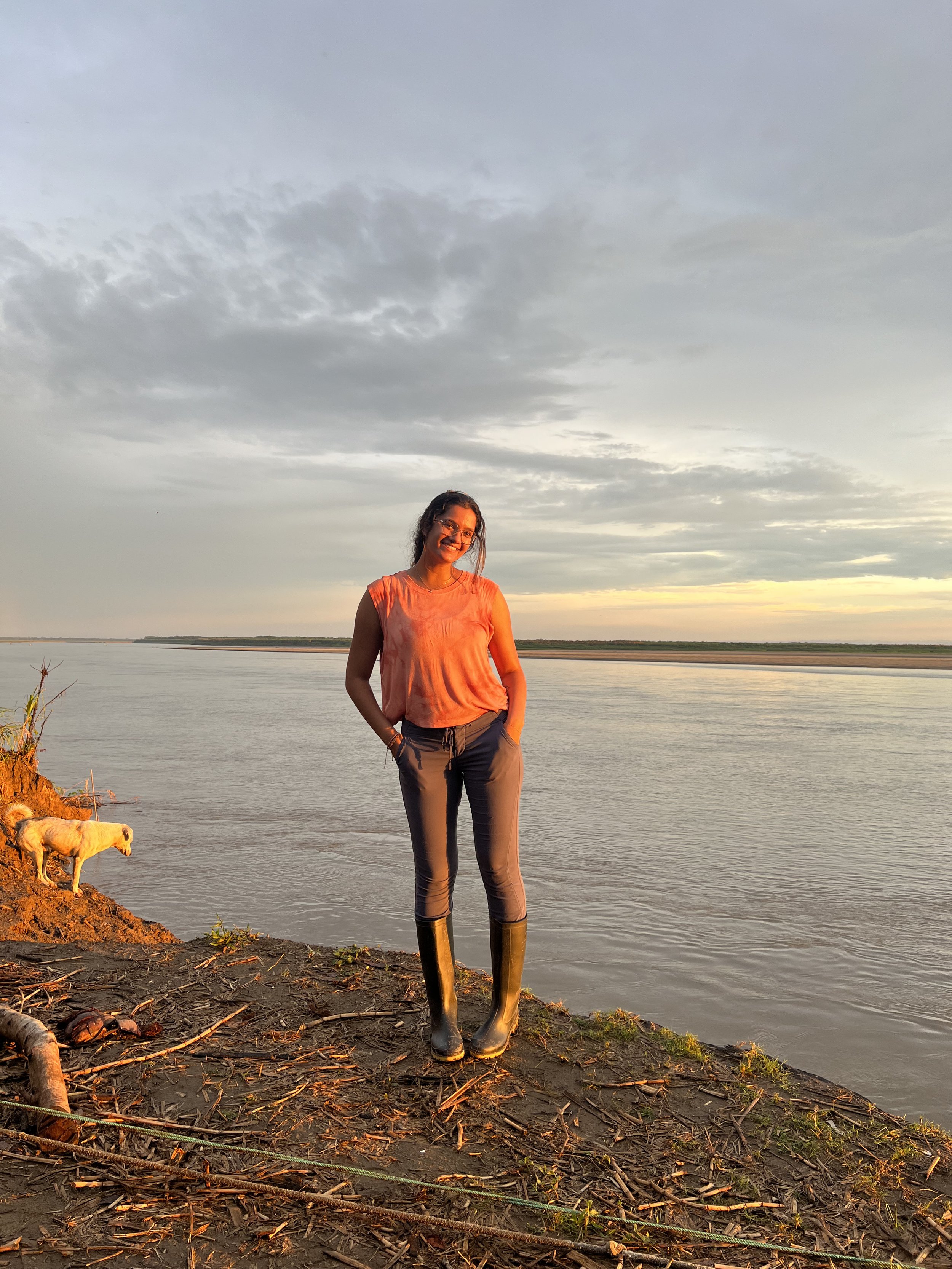
Adaptive Decision-Making Under Environmental Risk in the Peruvian Amazon
When environmental instability forces relocation or retreat, how do people make decisions under uncertainty?
Communities must balance:
Resource access
Social cohesion
Economic viability
Long-term risk exposure
The challenge is not just physical relocation, but behavioral adaptation under constraint.
Research Design
Independent mixed-methods research including:
100+ hours of semi-structured interviews
Household surveys
Participant observation
Satellite imagery analysis
Structured thematic coding
Key Insights
Retreat preserved social cohesion but reduced agricultural productivity.
Relocation improved economic access but required major social restructuring.
Coping operated at individual, household, and community levels.
Institutional absence increased reliance on informal adaptation systems.
Testing System Viability Under Real-World Constraint
Theoretical models suggested long-distance oceanic drift could explain crop dispersal.
Could seed capsules remain buoyant long enough?
Would prolonged seawater exposure affect viability?
The question: Do theoretical models hold under physical constraint?
Research Design
Controlled immersion testing (0–120 days)
Viability testing post-exposure
Integration of oceanographic drift modeling research
Key Findings
Prolonged seawater exposure significantly constrained seed viability, weakening drift as a sole explanatory mechanism.
Adopting Technical Systems in Risk-Sensitive Environments